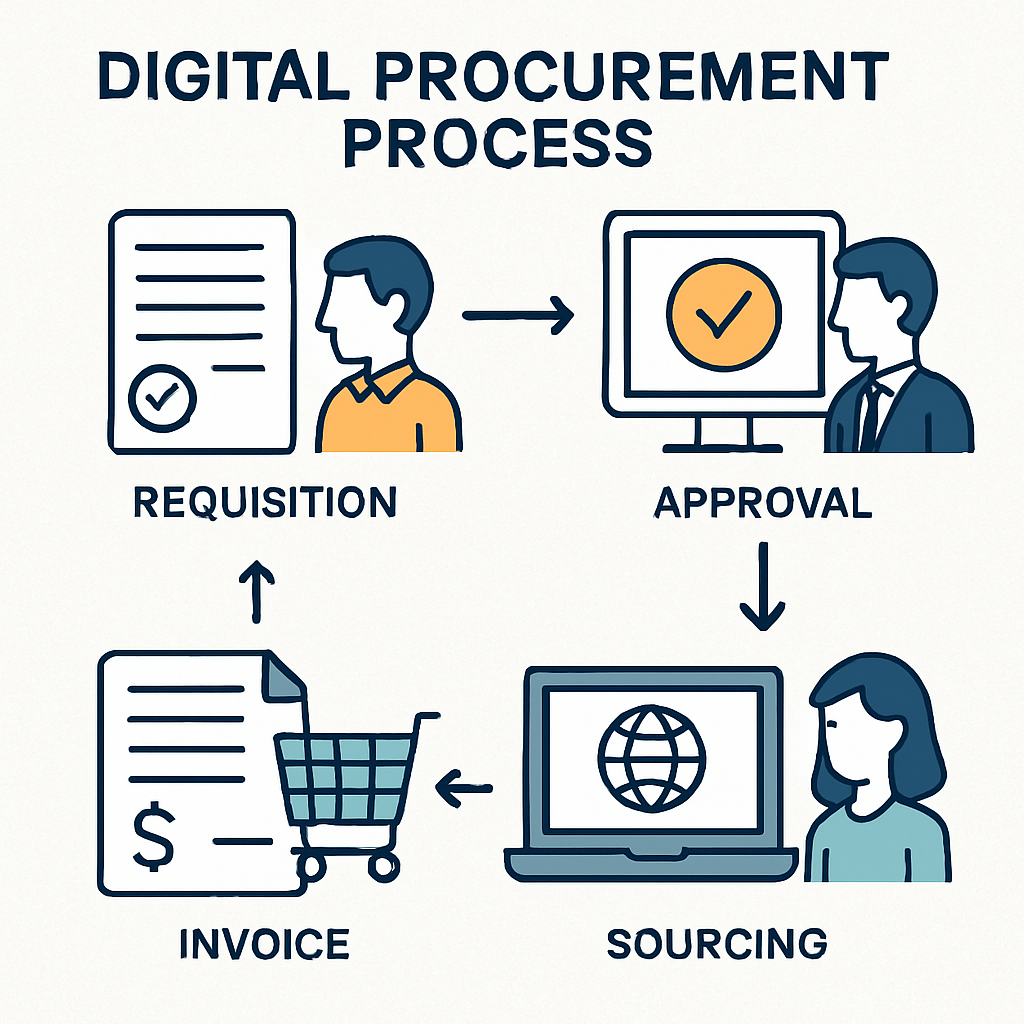
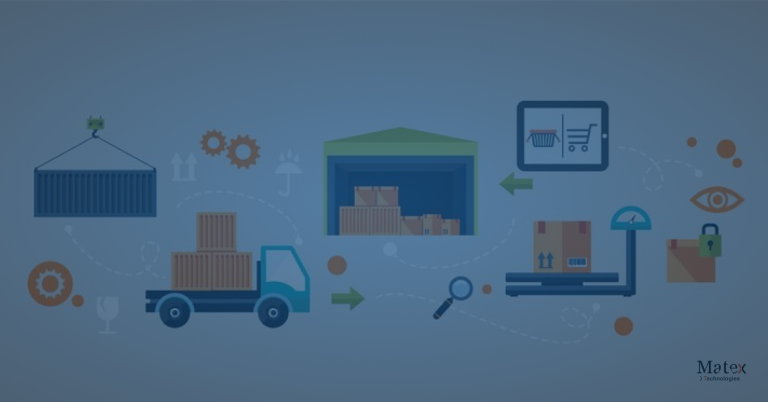
In the rapidly evolving landscape of business, procurement digitisation is no longer a luxury but a necessity. For CFOs steering the financial helm of their organisations, understanding and implementing digital procurement strategies can be a game-changer. This guide aims to demystify the digitisation of procurement and offer actionable insights for CFOs seeking to streamline operations and enhance efficiency.
Procurement digitisation refers to the adoption of digital technologies to automate and streamline procurement processes. This transformation involves shifting from traditional, paper-based methods to efficient, technology-driven processes that enhance transparency, reduce costs, and improve supply chain management.
The Importance of Digital Procurement
Digital procurement is crucial for organisations aiming to stay competitive in today’s fast-paced market. The implementation of digital tools in procurement processes can lead to significant organisational benefits.
Enhance Efficiency: By automating routine tasks, procurement digitisation reduces manual errors and accelerates processes. Automation minimises human intervention, leading to faster transaction times and freeing up staff to focus on strategic tasks.
Improve Transparency: Digital tools provide real-time data access, enabling better decision-making and accountability. Transparency in procurement processes helps in tracking spending patterns and understanding the financial health of supply chains.
Reduce Costs: Streamlined processes and better supplier management can lead to significant cost savings. Digital procurement facilitates competitive bidding and better negotiation tactics, which can reduce procurement expenses.
Types of Digitisation in Procurement
Several types of digitisation can be implemented in procurement, each offering unique benefits. Understanding these types can help CFOs choose the right tools for their organisations.
E-Procurement Solutions: Platforms that facilitate online procurement processes, from requisition to payment. These platforms integrate with financial systems to ensure seamless transactions and financial reporting.
Procurement Software: Tools designed to manage procurement activities, supplier relationships, and contract management. This software often includes features for monitoring supplier performance and managing procurement workflows.
Automated Purchasing: Systems that automate the purchase order process, ensuring timely procurement and inventory management. Automated systems reduce the risk of stockouts and overstock by optimising order quantities based on real-time data.
Digital Sourcing: Leveraging digital platforms to identify and evaluate suppliers, enhancing the supplier selection process. These platforms use data analytics to provide insights into supplier capabilities and market trends.
Cloud-Based Procurement: Utilising cloud technology to manage procurement processes offers flexibility and scalability. Cloud solutions allow for easy access to procurement data from anywhere, fostering collaboration across departments.
Implementing Procurement Digitisation
For CFOs, the journey towards procurement digitisation involves strategic planning and execution. Here’s how to effectively implement digital procurement:
Assess Current Procurement Processes
Begin by evaluating existing procurement processes to identify inefficiencies and areas for improvement.
This assessment will serve as the foundation for your digitisation strategy.
Mapping Out Current Processes: Document all procurement steps to understand the current workflow and identify bottlenecks. This helps in pinpointing areas where digital solutions can bring improvements.
Identifying Pain Points: Engage with procurement teams to understand challenges they face in current processes. This feedback is crucial in selecting appropriate digital tools.
Benchmarking Against Industry Standards: Compare your processes with industry best practices to identify gaps and opportunities for digitisation.
Define Clear Objectives
Establish clear objectives for your digital procurement initiative. Whether it’s reducing costs, improving supplier relationships, or enhancing transparency, having defined goals will guide your efforts and measure success.
Setting SMART Goals: Define Specific, Measurable, Achievable, Relevant, and Time-bound goals to ensure clarity and focus.
This approach helps in tracking progress and making necessary adjustments.
Aligning with Organisational Strategy: Ensure that procurement digitisation goals align with the broader organisational strategy to maximise impact. This alignment ensures that procurement contributes to overall business objectives.
Prioritising Objectives: Rank objectives based on their potential impact and feasibility to ensure a focused approach. This helps in allocating resources efficiently.
Choose the Right Technology
Selecting the appropriate technology is critical to the success of procurement digitisation. Consider the following:
Compatibility: Ensure the chosen technology integrates seamlessly with existing systems. Integration minimises disruptions and ensures smooth operations.
Scalability: Select solutions that can grow with your organisation. Scalable solutions ensure that the technology can handle increasing volumes as the business expands.
User-Friendliness: Opt for platforms that are intuitive and easy to use. User-friendly technology encourages adoption and reduces the learning curve for employees. *
Cost-Effectiveness: Evaluate the cost of technology solutions against the benefits they offer. This analysis ensures a good return on investment.
Vendor Support and Reliability: Consider the level of support and reliability offered by technology vendors. Reliable vendors provide ongoing support and updates to ensure smooth functioning.
Engage Stakeholders
Involve key stakeholders from various departments, including finance, IT, and procurement, to ensure a collaborative approach. Their insights and support are vital for successful implementation.
Building Cross-Functional Teams: Form teams comprising members from different departments to ensure diverse perspectives. This approach fosters collaboration and innovation.
Communicating the Vision: Clearly communicate the benefits and objectives of procurement digitisation to stakeholders. Effective communication ensures buy-in and support from all levels.
Providing Training and Support: Offer training sessions and resources to help stakeholders understand and adopt new technologies. Training ensures that all users are comfortable with the new systems.
Encouraging Feedback: Create channels for stakeholders to provide feedback and suggestions. Feedback helps in refining processes and addressing concerns.
Monitor and Optimise
Regularly monitor the performance of your digital procurement processes. Use data analytics to identify areas for optimisation and make informed decisions to enhance efficiency.
Setting Key Performance Indicators (KPIs): Establish KPIs to measure the success of procurement digitisation initiatives. KPIs provide a clear picture of progress and areas needing improvement.
Conducting Regular Reviews: Schedule periodic reviews of procurement processes to ensure they remain aligned with objectives. Regular reviews help in identifying new opportunities for optimisation.
Leveraging Data Analytics: Use data analytics to gain insights into procurement activities and supplier performance. Analytics helps in making informed decisions and driving continuous improvement.
Adapting to Changes: Be open to adapting processes and technologies as market conditions and organisational needs evolve. Flexibility ensures that procurement remains agile and effective.
Benefits of Procurement Digitisation
Digitising procurement offers numerous benefits that extend beyond cost savings:
Enhanced Supplier Relationships: Improved communication and collaboration with suppliers result in stronger partnerships.
Digital tools facilitate better interaction and information sharing with suppliers.
Risk Mitigation: Digital tools provide better visibility into the supply chain, allowing organisations to proactively address potential risks. Enhanced visibility helps in identifying and mitigating risks before they escalate.
Sustainability: Digital procurement supports sustainable practices by reducing paper usage and promoting eco-friendly solutions. Sustainability initiatives can enhance the organisation’s reputation and reduce environmental impact.
Increased Agility: Digital procurement allows organisations to respond quickly to market changes and opportunities. Agility is crucial in maintaining a competitive edge in dynamic markets.
Improved Compliance: Automation ensures adherence to procurement policies and regulatory requirements. Compliance reduces the risk of penalties and enhances organisational governance.
Real-World Success Stories
Several organisations have successfully embraced procurement digitisation with impressive results. For instance, a leading FMCG company implemented an e-procurement solution that reduced procurement cycle times by 30% and cut costs by 15%.
Case Study 1: Retail Industry: A global retailer adopted digital procurement solutions, resulting in a 25% reduction in procurement costs and improved supplier collaboration. The integration of procurement software streamlined vendor management and stock control.
Case Study 2: Manufacturing Sector: A manufacturing giant leveraged automated purchasing systems, leading to a 40% decrease in order processing time and enhanced stock management. The digital transformation resulted in better alignment between production and supply chain.
Case Study 3:Healthcare Organisation: A healthcare provider implemented digital sourcing platforms, enhancing supplier selection and negotiation capabilities.
The initiative led to a 20% improvement in procurement efficiency and better compliance with health regulations.
The Future of Procurement Digitisation
The future of procurement digitisation is promising, with advancements in artificial intelligence, machine learning, and blockchain technology set to revolutionise the industry. These innovations will further enhance automation, data analysis, and security, paving the way for smarter procurement processes.
Preparing for the Future
As CFOs, staying ahead of these trends is essential to maintaining a competitive edge. Consider investing in emerging technologies and continuously upskilling your team to navigate the evolving landscape of digital procurement.
Embracing Artificial Intelligence: AI technologies can enhance predictive analytics and decision-making in procurement. AI-driven insights can optimise procurement strategies and supplier relationships.
Exploring Blockchain Technology: Blockchain offers secure and transparent transaction records, improving trust and efficiency in procurement. The technology can streamline contract management and enhance traceability in supply chains.
Investing in Machine Learning: Machine learning algorithms can identify patterns and optimise procurement processes. These algorithms can enhance forecasting accuracy and improve demand planning.
Fostering a Culture of Innovation: Encourage a culture that embraces innovation and continuous learning. An innovative culture ensures that the organisation remains adaptable to technological advancements.
Building Strategic Partnerships: Collaborate with technology providers and industry experts to stay informed about the latest trends and solutions. Strategic partnerships can provide valuable insights and resources for digital transformation.
Conclusion
Procurement digitisation is a critical component of modern business strategy.
By embracing digital procurement, CFOs can drive efficiency, reduce costs, and enhance supplier relationships. As technology continues to advance, the potential for smart procurement solutions will only grow, making now the ideal time to embark on your digitalisation journey.
In conclusion, the digitalisation of procurement is not just a trend but a strategic imperative. By understanding its significance and implementing effective strategies, CFOs can lead their organisations to new heights of efficiency and success. The future of procurement digitalisation is bright, with endless possibilities for innovation and improvement. Embrace the change and prepare your organisation for a successful digital transformation journey.
Frequently Asked Questions (FAQs)
1. What is procurement digitization and why should CFOs care?
Procurement digitization is the use of digital tools and automation to manage sourcing, purchasing, supplier management, and payments. CFOs should care because it improves cost control, increases transparency, reduces risk, and provides real-time financial insights that support better decision-making.
2. How does procurement digitization help reduce costs?
Digitization reduces manual work, eliminates errors, enables competitive bidding, and improves supplier negotiations. Automated workflows and better spend visibility help identify savings opportunities and control procurement expenses more effectively.
3. What types of digital procurement solutions should CFOs consider?
CFOs can consider e-procurement platforms, procurement management software, automated purchasing systems, digital sourcing tools, and cloud-based procurement solutions. These tools integrate with finance systems to ensure accurate reporting and scalable operations.
4. How can CFOs successfully implement procurement digitization?
Successful implementation starts with assessing current procurement processes, defining clear objectives, selecting scalable and user-friendly technology, engaging key stakeholders, and continuously monitoring performance using KPIs and analytics.
5. What are the long-term benefits of procurement digitization?
Long-term benefits include stronger supplier relationships, improved compliance, better risk management, increased agility, sustainability through reduced paper usage, and the ability to leverage advanced technologies like AI and analytics for smarter procurement decisions.