
The Hidden Cost of Manual Procurement – And How Digital Tools Like Proctek Save Time and Money
Manual procurement processes can be costly and inefficient. They often…

Mid-market businesses face unique challenges in procurement compliance. Limited resources often hinder their ability to maintain robust compliance frameworks.
Automation is emerging as a game-changer in this landscape. It offers a way to streamline processes and reduce manual errors.
By adopting digital procurement solutions, companies can enhance compliance management and adhere to procurement guidelines more effectively.
Automation not only improves efficiency but also aids in risk management and decision-making. It provides real-time data and analytics, crucial for maintaining compliance.
The future of mid-market procurement compliance is bright with automation. Embracing these technologies can ensure competitiveness and compliance.
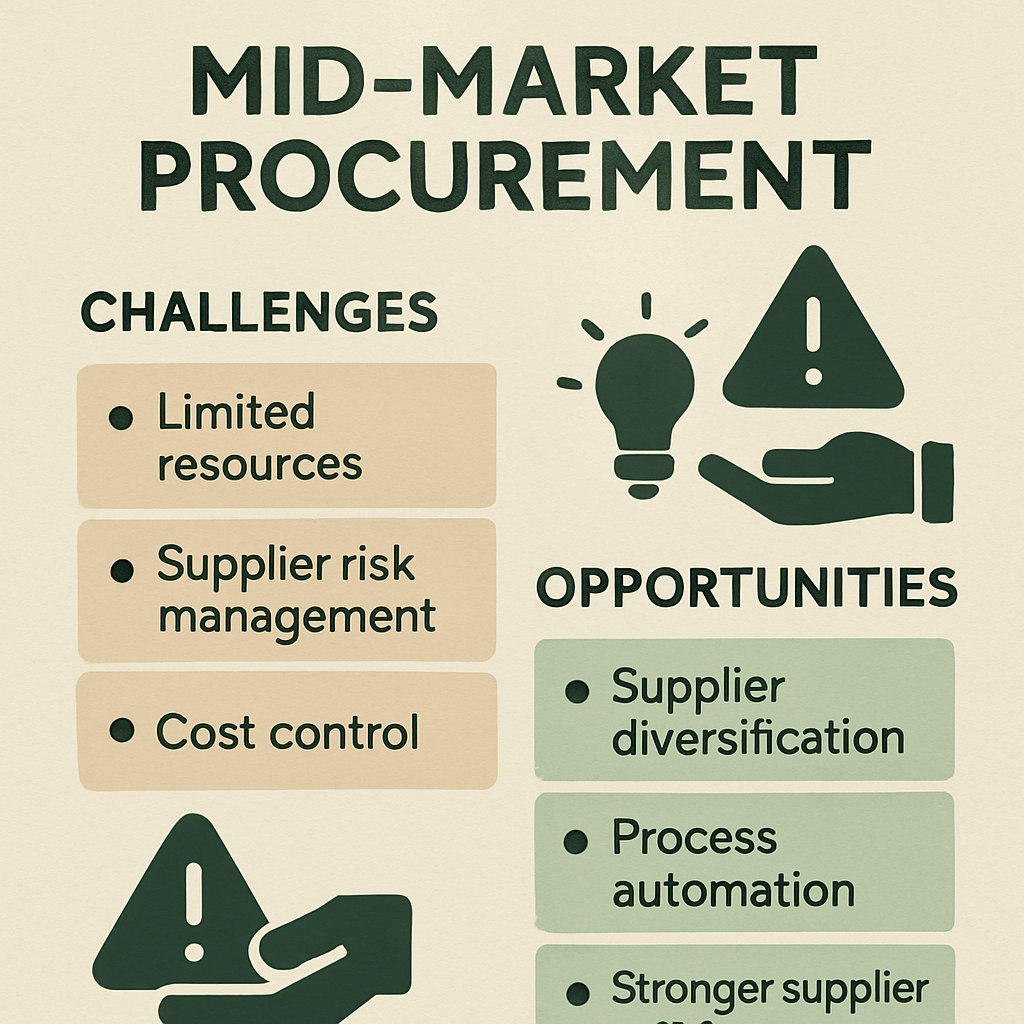
Mid-market companies operate with fewer resources than larger enterprises. This creates a challenge in establishing comprehensive procurement compliance systems. However, these challenges also present opportunities for innovation.
The need for streamlined processes is critical. Companies must adhere to procurement guidelines while managing limited budgets and staff. Leveraging technology can transform these challenges into competitive advantages.
Key challenges include:
Despite these hurdles, opportunities abound. Automation technologies can offer these businesses cost-effective solutions. They make compliance more manageable and can drive process improvements.
Automation empowers companies to develop compliance strategies tailored to their needs. By adopting these solutions, mid-market businesses can enhance their procurement processes. Real-time data and analytics can inform better compliance decisions, ensuring adherence to regulations.
Ultimately, the right approach can turn procurement compliance into a strength rather than a burden. Embracing innovation in procurement compliance can pave the way for growth and sustainability.
Compliance is crucial for mid-market companies aiming to thrive in competitive landscapes. Ignoring procurement compliance can result in dire consequences. Legal penalties and damaged reputations are major risks of non-compliance.
Proper compliance management offers tangible rewards. It enhances operational efficiency and builds strong supplier relations. Companies adhering to procurement guidelines also gain competitive advantages.
The risks of non-compliance include:
On the other hand, the rewards are significant.
Efficient compliance frameworks can enhance cost management and risk mitigation. By prioritising compliance strategies, businesses not only adhere to regulations but also strengthen their market position.
Establishing procurement best practices ensures smooth operations and regulatory adherence. A strong compliance framework is essential for mid-market businesses. These frameworks lay the groundwork for consistent procurement strategies.
When setting up compliance frameworks, businesses should focus on several key aspects. Regular audits ensure processes align with procurement guidelines. Training programmes educate staff on compliance requirements and updates.
Important elements of procurement best practices include:
Updating compliance strategies regularly is crucial. This adaptability helps businesses navigate changing legal landscapes. A robust framework can reduce risks and improve decision-making. By following procurement guidelines, mid-market companies can enhance efficiency and reduce costs, fostering sustained growth.
Automation is transforming procurement compliance in significant ways. It reduces the chance of human errors, boosting efficiency in compliance management. Mid-market businesses can greatly benefit from these technological advancements.
Automated systems provide real-time data and analytics, essential for informed decision-making. They also offer enhanced risk management capabilities. These benefits ensure businesses stay ahead in a competitive marketplace.
Core advantages of automation include:
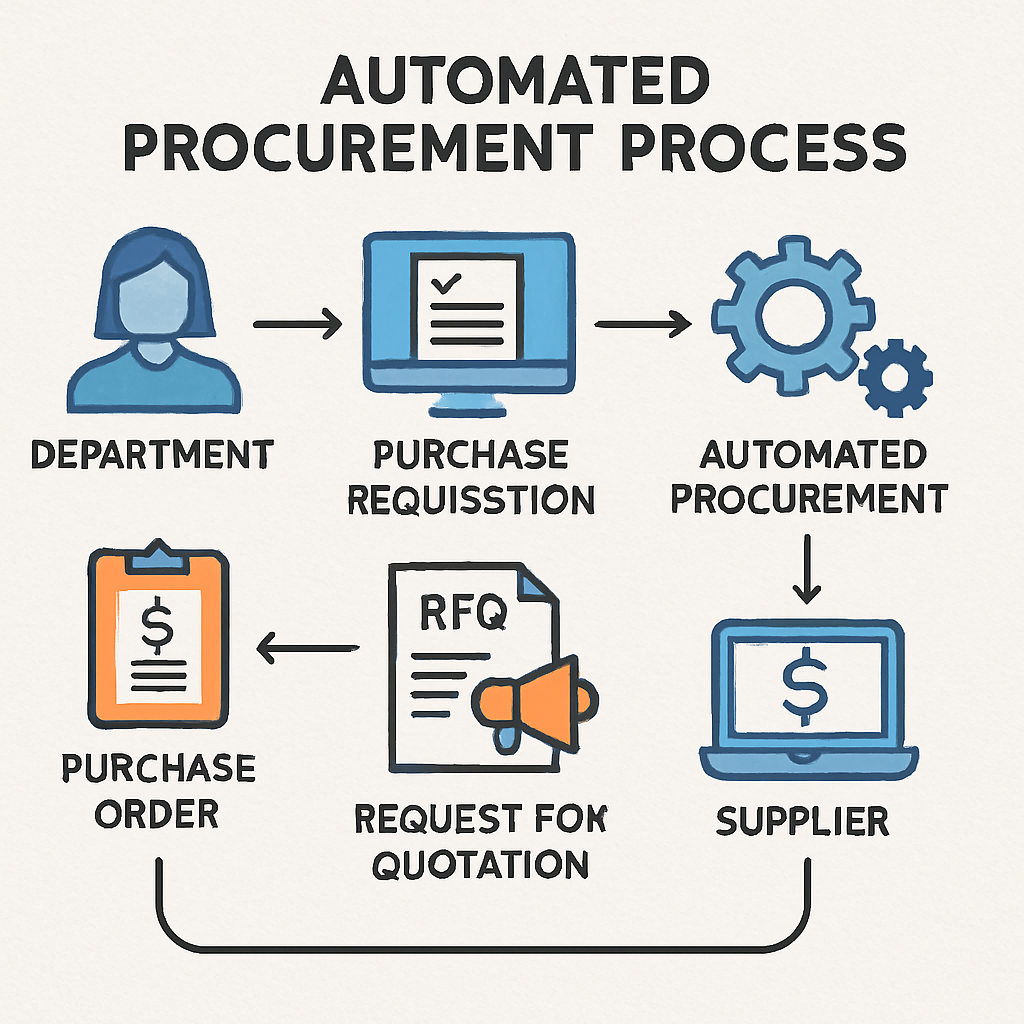
Automation can also help mid-market businesses identify compliance risks. Early detection allows companies to implement timely corrective actions. This proactive approach is crucial in the ever-evolving regulatory landscape.
Implementing automation aligns with procurement best practices. It enables seamless integration with existing systems. This ensures a smooth transition from manual to automated processes, setting the stage for future innovation and growth in procurement compliance.
Automation in compliance management offers several distinct benefits. Mid-market companies experience significant cost reductions by cutting manual tasks. Automation also minimises compliance errors, leading to fewer regulatory issues.
Another advantage is time efficiency. Automated systems manage tasks faster than manual methods. This efficiency allows procurement teams to focus on strategic activities instead of routine checks.
Key benefits include:
Additionally, automation provides consistent updates and real-time notifications. This keeps teams informed of compliance status without the need for constant checking. Businesses can therefore maintain compliance effortlessly and focus on growth.
Implementing automated procurement compliance solutions requires thoughtful planning. Start by assessing your current compliance processes. Identify areas where automation can deliver the most impact.
This ensures that the new system addresses your specific needs.
Next, choose the right technology partner. Evaluate potential solutions for compatibility with your existing systems. Consider scalability and ease of integration to ensure a seamless transition.
Here are the steps to follow:
After choosing a solution, invest in staff training. Comprehensive training helps in maximising the benefits of automation. It also facilitates smoother change management, reducing resistance and boosting adoption.
Adopting automated procurement systems presents challenges. Change management and training are crucial for success. Employees must understand system benefits to embrace the change.
Focus on clear communication and continuous support. Provide comprehensive training programmes tailored to employee roles. Encourage feedback to improve engagement and refine implementation.
Key strategies include:
Digital procurement is rapidly evolving with technological advancements. Automation and AI are at the forefront of these changes, creating numerous opportunities for mid-market businesses.
Emerging trends focus on enhancing efficiency, transparency, and adaptability. Key innovations include:
These innovations promise to revolutionise procurement processes, ensuring compliance and boosting competitiveness. Staying informed and adaptable is vital for success.
Mid-market companies must embrace automation to enhance procurement compliance. By adopting innovative solutions, they ensure efficiency, reduce risks, and maintain a competitive edge in an evolving landscape. Staying proactive and informed is key to thriving in procurement.
Compliance helps mid-market companies avoid legal penalties, operational disruptions, and reputational damage, while unlocking efficiencies and competitive advantages. The risks of non-compliance include legal action and fines, business disruption, and loss of stakeholder trust. Strong compliance frameworks, on the other hand, improve operational efficiency, strengthen supplier relationships, enhance cost management, and support risk mitigation ultimately boosting market position.
Automation streamlines compliance processes, reduces manual errors, and delivers real-time data and analytics for better decision-making and risk management. For resource-constrained mid-market teams, automated systems increase visibility and accountability, improve supplier performance tracking, and enable early detection of compliance risks. Automation can integrate with existing systems for a smoother transition from manual to digital processes.
Key challenges include limited resources (no dedicated compliance teams), restricted access to advanced technologies, and the complexity of regulations. These hurdles become opportunities when companies leverage automation: cost-effective tools can simplify compliance, provide real-time insights, and enable tailored strategies that transform compliance from a burden into a competitive advantage.
Start with a clear assessment of current processes and pinpoint where automation will have the most impact. Then select a technology partner that fits your systems, with scalability and ease of integration in mind. Invest in comprehensive, role-based training and support to drive adoption. Practical steps include:
Automation and AI will continue to lead, supported by cloud-based procurement platforms, deeper data analytics and reporting, and enhanced supplier collaboration tools. These innovations promise greater efficiency, transparency, and adaptability helping mid-market companies maintain compliance and competitiveness. Staying informed and adaptable will be critical to capture these benefits.
Manual procurement processes can be costly and inefficient. They often…

Procurement software ROI is a critical consideration for businesses today.…

Procurement automation is reshaping enterprise purchasing, improving cost efficiency, and…
